June 8, 2026
Air conditioning has become vital for ensuring comfort within homes during extreme weather conditions, and regular maintenance of these systems is crucial to preserving their functionality and efficiency. Unfortunately, many homeowners overlook this aspect, often delaying necessary repairs. The consequences of such delays can be serious, leading to high hidden costs, both immediate and long-term. This article explores the various aspects of delaying AC repairs and how they can impact energy consumption, component health, air quality, repair costs, environmental sustainability, and overall quality of life.
Increasing Energy Consumption
An inefficient system is often a result of delayed fixes, causing it to work harder to cool the same space. This extra effort translates into increased energy consumption, leading to higher utility bills. Homeowners can face electricity costs that greatly surpass those of a properly maintained cooling system over time.
According to data from the Department of Energy, out of the total percentage of households utilizing air conditioning in the U.S. today, nearly two-thirds rely specifically on central cooling setups. Ignoring timely maintenance transfers the cost to monthly bills in an inflated manner.
Disrupting Home Heating Systems
A failing unit does not just affect cooling efficiency but can also disrupt the performance of home heating systems. Many central heating and air systems share parts that regulate temperature, meaning a poorly maintained system can compromise the functionality of a heating system. When a unit struggles to maintain proper temperature control, the heating system might need to compensate, resulting in increased energy usage. By addressing AC repairs promptly, homeowners can alleviate unnecessary strain on both heating and cooling components.
Accelerating Component Deterioration
When AC repairs are delayed, the stress on individual components greatly increases, causing accelerated wear and tear. Components that are overworked due to unresolved issues can degrade faster than those that are part of a regularly maintained system. For instance, a malfunctioning fan or compressor issue, if left unattended, can result in undue stress on other parts. This not only increases the risk of eventual breakdowns but may also necessitate more frequent replacements. Understanding the internal dynamics of a unit is essential for mitigating accelerated component deterioration.
Evaluating the Cost of Replacement Parts Versus Repairs
Replacing entire parts can be exponentially more expensive than performing routine repairs. While initial repairs might seem like an avoidable expense, they protect against the more significant financial burden associated with replacing major components. A cost-benefit analysis often reveals that investing in timely system adjustments yields better economic returns than waiting for parts to fail. By addressing repair needs early, homeowners can prevent substantial costs linked to sourcing and installing replacement parts for the unit. Ultimately, timely intervention ensures the more economical upkeep of cooling systems.
Shortening System Lifespan
Prolonged neglect can drastically reduce a unit's operational lifespan. Regular maintenance enhances performance efficiency, preserving the longevity of the entire system. When homeowners fail to address minor issues expeditiously, they inadvertently shorten the time the unit can effectively operate. This reduction results from prolonged operational stress and missed opportunities for minor corrections. Pursuing scheduled AC repairs is an investment in maximizing the lifespan of cooling systems.
Degrading Indoor Air Quality
A neglected system can significantly degrade indoor air quality, as dust and allergens accumulate in the unit over time. If filters and vents are not regularly cleaned, they become clogged, inhibiting proper air flow and circulation. The indoor environment then becomes a breeding ground for allergens, making it particularly uncomfortable for individuals with asthma or allergies. Maintaining high-quality air involves addressing AC repairs and ensuring that filters function effectively.
Allowing Mold and Mildew Growth
Moisture issues within a malfunctioning system can lead to mold and mildew growth. These elements thrive in cool, damp areas, making ductwork and coils susceptible spots when repairs are deferred. Mold and mildew produce unpleasant odors and can lead to significant health concerns, particularly for those with respiratory conditions. To safeguard indoor spaces against mold and mildew, humidity and moisture concerns within units must be swiftly resolved.
Multiplying Repair Costs
Ignoring seemingly small issues with systems can escalate into extensive, expensive repair needs. Transforming what initially might require minor adjustments into large-scale repairs typically involves higher labor and material costs. Ignored issues, such as minor leaks or unusual sounds, can rapidly worsen, leading to increased wear on the system as a whole. Addressing small system inefficiencies promptly can forestall major financial burdens.
Contrasting Emergency Repair Versus Scheduled Maintenance
There is a stark contrast between the costs associated with emergency repairs and those associated with scheduled maintenance efforts. Emergency repair calls often command higher fees due to their urgent nature, as last-minute labor can be significantly more expensive. In contrast, scheduled maintenance is predictable, allowing homeowners to budget accordingly and avoid emergency premiums. Proactively scheduling regular checks helps homeowners absorb repair costs gradually, avoiding the shock of emergency expenses.
Compromising Environmental Sustainability
Inefficiencies contribute significantly to increased carbon emissions. When systems consume more energy due to neglectful upkeep, the resulting emissions fuel climate change. The intensified use of energy inefficient systems translates to higher emissions generated to meet operational needs. Regular maintenance mitigates this footprint by optimizing energy use and supporting environmental conservation goals.
Navigating Regulatory and Compliance Issues
Compliance with regulatory standards surrounding efficiency is integral to supporting environmental sustainability objectives. Regulations establish energy consumption benchmarks guiding environmentally conscious system use. Failure to adhere to such standards risks penalties and curtails efforts at broader climate protection initiatives. Recognizing regulatory obligations underscores personal responsibility in sustainable system use, empowering homeowners to align personal practices with environmentally sound initiatives in the United States.
Diminishing Comfort and Quality of Life
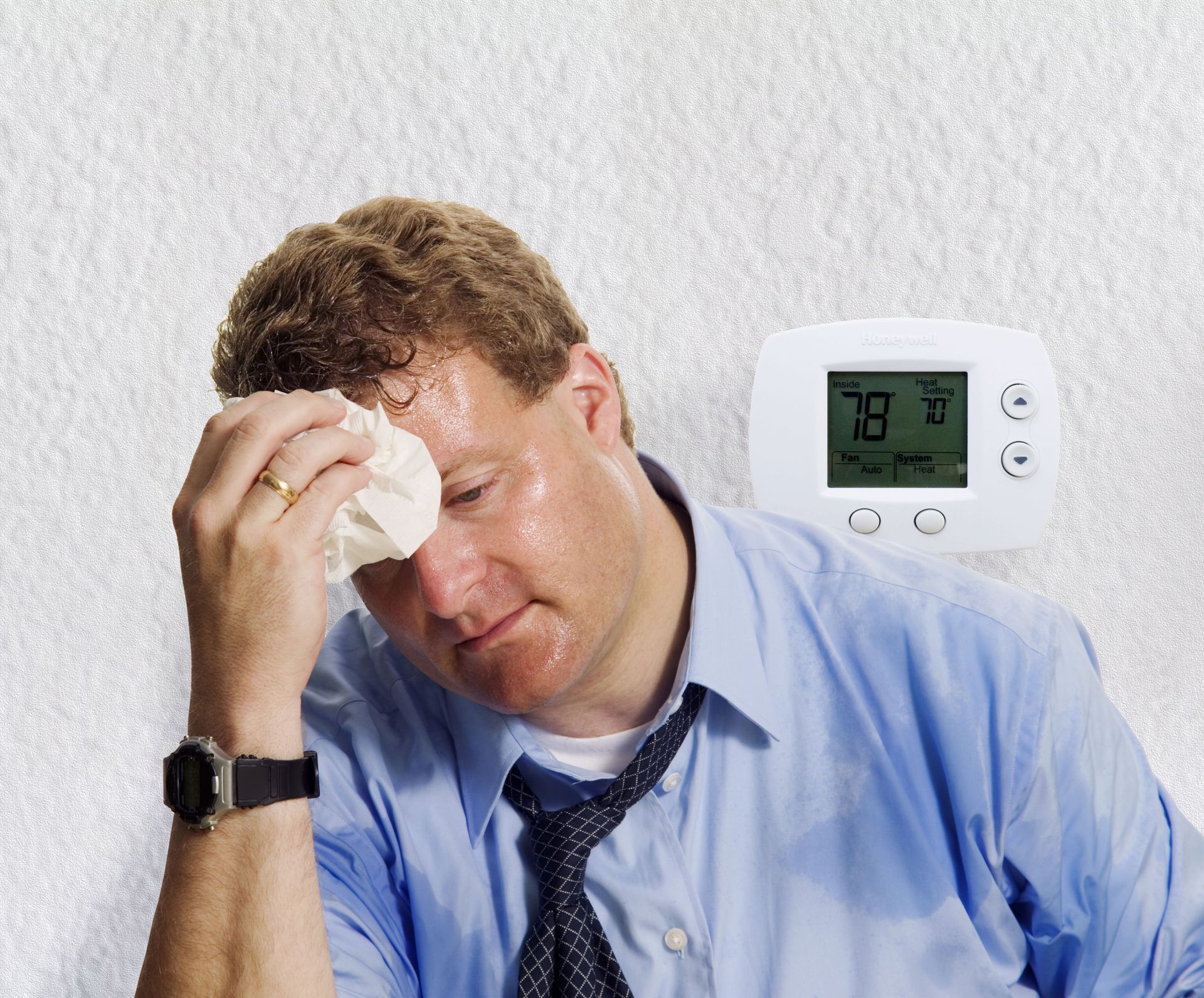
One of the key comfort issues arising from neglected climate settings is the emergence of temperature imbalances within the home. Malfunctioning systems struggle to maintain consistent temperatures, creating discomfort through uneven cooling distributions. When temperatures fluctuate unpredictably, adaptation to living environments becomes cumbersome, detracting from daily comfort. Addressing repair needs proactively stabilizes temperatures, contributing to optimal comfort levels and preventing home climate disruptions.
Dealing with Humidity Control Issues
The failure to maintain systems impairs humidity regulation capabilities, influencing both comfort and home structural integrity. Elevated humidity levels exacerbate discomfort through perceived heat intensification and operational inefficiencies. Maintaining a well-functioning system enables effective relative humidity management, thereby preserving comfort levels and protecting building assets.
Managing Psychological and Emotional Stress
Grappling with a poorly functioning system can accumulate into significant psychological and emotional stress. Persistent discomfort, coupled with unexpected financial demands, challenges emotional well-being. This stress diminishes residents' overall quality of life. Proactive management alleviates these burdens, fostering an environment conducive to emotional and psychological fulfillment.
The hidden costs of delaying AC repairs manifest across various domains, from escalated energy bills and component damage to compromised air quality and increased environmental impact. Procrastinating over routine maintenance can lead to severe operational consequences, highlighting the critical importance of timely and consistent system upkeep. This proactive practice not only prevents major financial burdens but also directly supports broader objectives for residential energy efficiency, ecological sustainability, and enhanced living conditions. Turn to Quality Complete Home Services Inc to handle your routine maintenance and address system performance needs effectively. Informed homeowners can uphold responsible practices and enjoy robust benefits, ensuring comfortable, sustainable, and prosperous household environments.