May 4, 2026
Efficient HVAC maintenance can ensure better air quality, energy savings, and the prolonged life of your systems. The transitional spring period is ideal for addressing maintenance before the intense heat of summer begins testing the limits of your HVAC systems. By prioritizing these services, homeowners can foster long-term savings while maintaining optimal home comfort. As we delve deeper, we will outline the crucial services that experts highly recommend for a hassle-free operation throughout the year.
1. Schedule a Professional System Inspection
Homeowners should not overlook the importance of regular inspections as a core part of their HVAC services routine. A routine inspection often involves a complete diagnostic review of your system, helping to identify potential issues before they become costly repairs. According to This Old House, most HVAC systems can last at least 15 years and up to 20 years if properly maintained, underscoring the importance of these proactive checks. Spring offers an excellent opportunity to schedule a professional tune-up and inspection, which can fine-tune performance and extend the lifespan of your system. These proactive measures provide peace of mind and long-term financial benefits.
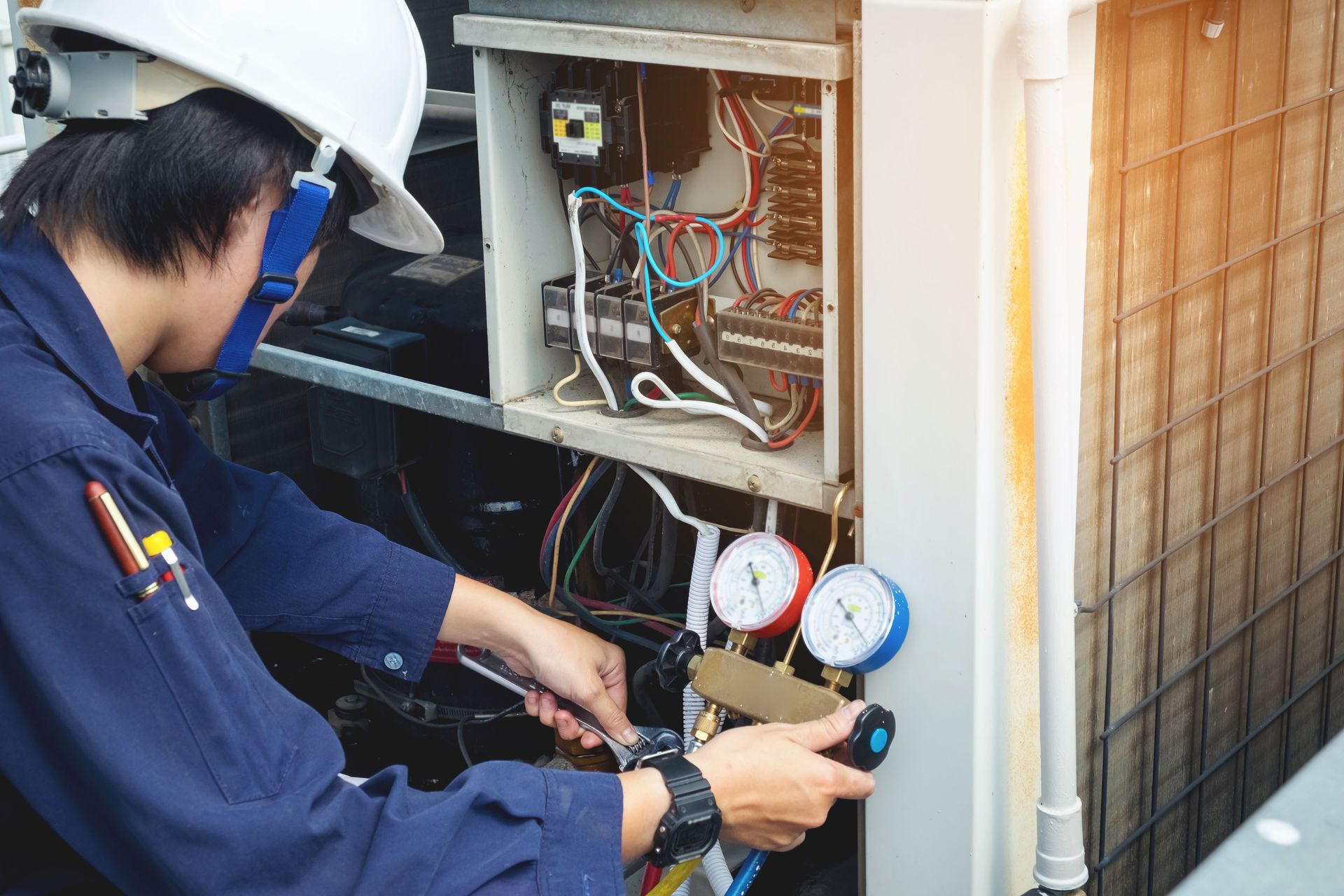
During a typical inspection, HVAC professionals will examine critical components such as electrical connections, system pressure, and airflow. They will often check for wear and tear that could hinder efficiency or cause future breakdowns. Additionally, technicians will assess the system for any safety hazards, including potential gas leaks or compromised carbon monoxide levels, that could pose a risk to household members. Taking these precautions ensures that your system is both safe and efficient, supporting both home comfort and health.
Another benefit of conducting a system inspection in the spring is preparing your HVAC unit for increased summer demand. By troubleshooting and resolving issues early on, you can avoid the peak-season service rush and decrease the likelihood of unexpected breakdowns. Furthermore, regular inspections contribute to reduced energy consumption by ensuring that the system works optimally. Homeowners can take comfort in knowing their system is prepared to handle extreme weather conditions, resulting in reliable performance and cost efficiency.
2. Replace Air Filters Regularly
A primary component of effective HVAC services is the regular replacement of air filters, a practice indispensable to maintaining efficient airflow. Over time, filters collect dust, allergens, and particles, making the system work harder to circulate air. This additional strain can increase energy usage and utility bills. Regular filter changes, especially during seasonal transitions, help promote energy efficiency and clean air circulation throughout the home, improving indoor air quality.
Changing air filters every three months is a standard recommendation, although frequency can increase in homes with pets or those in areas with high pollen counts. Given the dynamic nature of spring, when airborne pollutants and allergens increase, timely replacement becomes crucial. Clean filters reduce wear and tear on the HVAC system, allowing them to last longer and function more effectively. This routine maintenance is a simple and economical way to support the longevity of your system.
In addition to energy efficiency benefits, regular filter replacement significantly improves air quality, reducing respiratory irritants and promoting healthier living environments. Clean air filters also contribute to a cleaner home overall, as they reduce dust accumulation on surfaces. It's the synergy of these benefits that makes this maintenance step essential—supporting both system health and family well-being. Strategically incorporating filter replacements as part of your spring HVAC checklist can yield noticeable improvements in home comfort and system reliability.
3. Clean and Lubricate Key Components
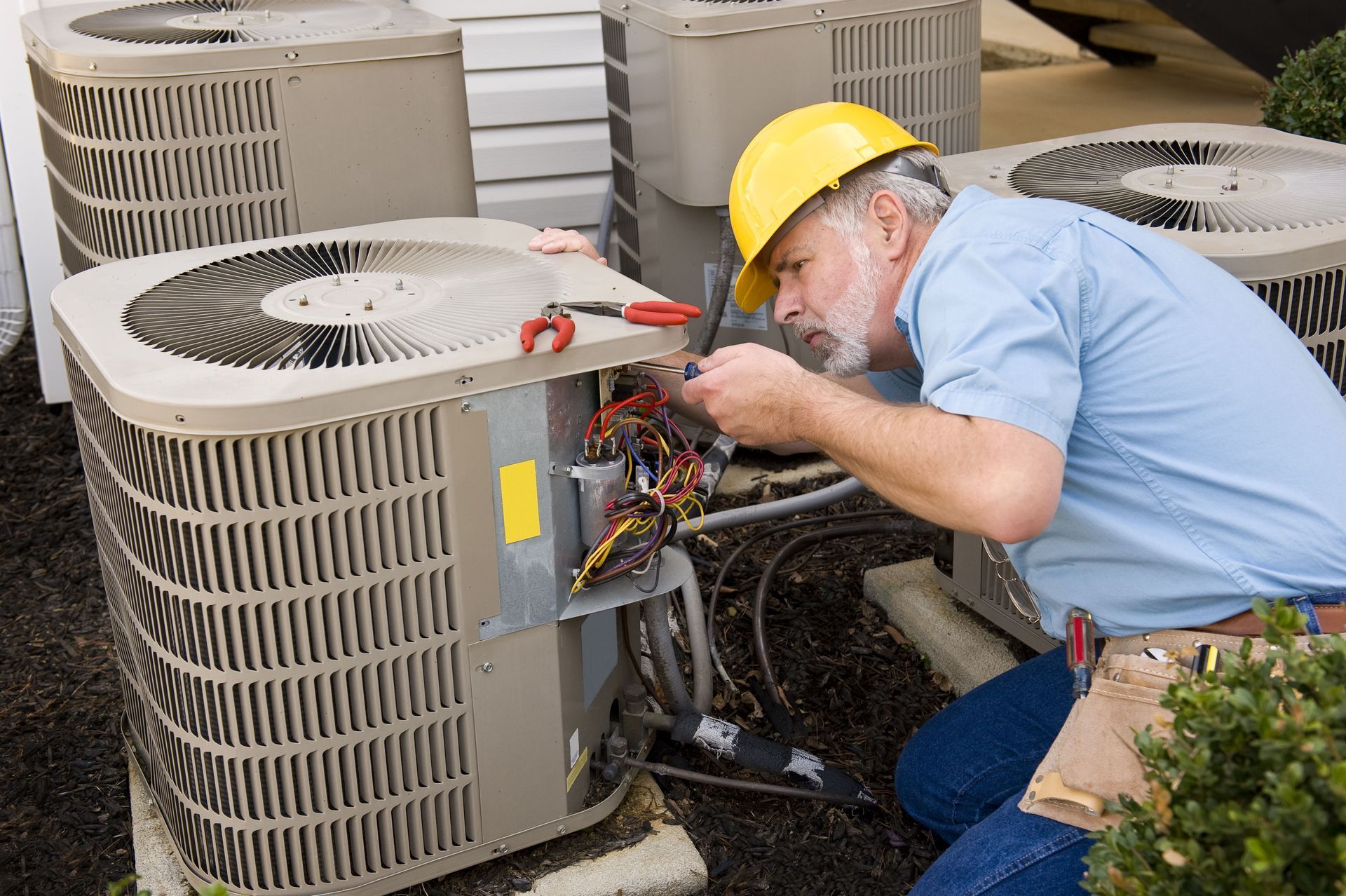
Comprehensive HVAC services in spring should include deep cleaning and lubrication of system components to ensure smooth operation. Dust and dirt can accumulate on various parts, including coils and fans, which can obstruct efficiency and lead to overheating. These elements need to be free of debris, allowing for optimal heat exchange and airflow. Using precision cleaning products, professionals thoroughly cleanse these components, helping to minimize the risk of unexpected system failures during busy summer months.
Beyond cleansing, the lubrication of moving parts is equally vital for minimizing friction and wear. Fans, motors, and other mechanical components require regular lubrication to function smoothly and quietly. Well-lubricated parts not only operate more efficiently but also extend the overall lifespan of the HVAC system. Ensuring these components are adequately maintained translates to a quieter, more peaceful home, free from the noisy interruptions of a struggling system.
The dual approach of cleansing and lubrication ensures that your HVAC system operates at peak efficiency, reducing the risk of malfunction. Dust and particulate build-up often lead to higher energy consumption, and persistent neglect can lead to overwhelming repair costs. Regular maintenance such as this is part of a greater preventive strategy that safeguards the functionality and energy efficiency of your HVAC systems. With clean coils, efficient fans, and lubricated motors, your system will be positioned to deliver optimized performance when most needed.
4. Adjust Thermostat Settings for Efficiency
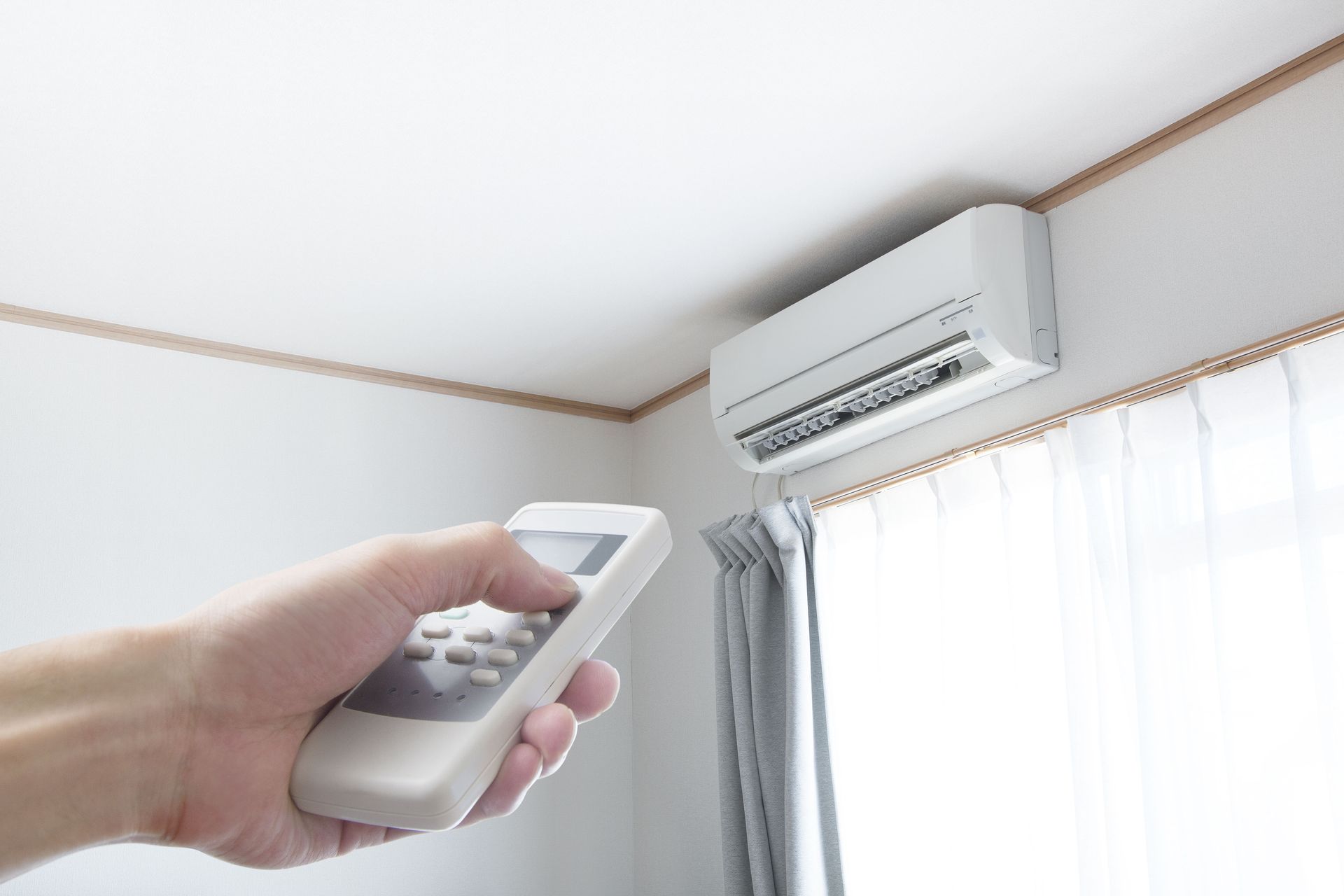
Adapting your thermostat settings is a crucial aspect of seasonal HVAC services, directly impacting comfort and savings. A programmable thermostat can enhance the efficiency of your HVAC system, especially when adjusted to cater to spring's milder weather. Setting it to accommodate your schedule will not only maximize comfort but also reduce energy expenses by preventing unnecessary operation. As spring progresses, making the necessary thermostat adjustments is essential for system efficiency and energy conservation.
HVAC professionals often recommend smart thermostat options that allow remote adjustment via smartphone apps, providing more flexible control. This technology can learn user habits and make automated adjustments, leading to further energy savings. Optimal thermostat settings can reduce HVAC system demand, contributing to the system's extended life. Such adjustments are part of proactive maintenance that caters to seasonal variations, exploiting technology to offer personalized comfort and economy.
Correctly programmed thermostats not only control temperature but also optimize system cycling, minimizing wear and tear on components. Over time, strategic use of smart thermostats within HVAC services contributes to significant savings on utility bills and reduces carbon footprints. As climate control becomes more efficient, homeowners benefit from lower energy costs and a reduced environmental impact. Spring represents an ideal time to revisit and refine thermostat programming, setting the stage for efficient home climate management throughout the year.
5. Test Controls and Safety Functions
Testing the controls of your HVAC system is a fundamental component of extensive spring maintenance. Ensuring that all operating controls are responsive and correctly calibrated prevents system delays or failures during peak operation times. Homeowners can opt for system testing as part of professional HVAC services, which should include checking both electronic controls and physical components. This includes assessing whether the thermostat signaling aligns seamlessly with system adjustments.
Functionality tests reveal whether any controls need recalibration or replacement, addressing minor issues before they evolve into costly problems. Testing also extends to ensuring that safety systems such as circuit breakers and fuse settings are functioning optimally. A well-set control system safeguards both the home’s residents and the HVAC equipment from malfunctions. With all elements harmonized, an HVAC system is more robust and can react efficiently to real-time climate demands.
Regular HVAC services are a smart investment that can have significant impacts on home comfort and energy efficiency. By planning these services for the spring, homeowners can enjoy a well-functioning system all year round. Scheduled inspections, filter replacements, thorough cleansing, thermostat adjustments, and control testing form the backbone of effective HVAC maintenance. Each service aligns with professionals’ recommendations for optimal performance and cost savings. Embrace the opportunity this spring to ensure your HVAC systems continue to serve your household effectively long into the future. Reach out to Quality Complete Home Services Inc to learn more about our services today.