November 9, 2026
Heating and cooling systems play an essential role in maintaining comfortable indoor environments throughout the year. Whether in a residential home or a commercial building, a properly functioning HVAC system helps regulate indoor temperatures, maintain air quality, and control energy consumption. However, like any mechanical equipment, HVAC systems experience wear and tear over time. Without proper maintenance and timely repairs, even relatively minor issues can develop into expensive problems.
Fortunately, local HVAC services can help homeowners and business owners identify problems, restore system performance, and prevent unexpected breakdowns. From malfunctioning thermostats to refrigerant leaks and restricted airflow, experienced technicians have the tools and knowledge needed to address a wide range of heating and cooling concerns.
What Are the Common Signs That Your HVAC System Needs Repair?
HVAC systems rarely stop working without providing some indication that something is wrong. Recognizing these warning signs can help property owners arrange repairs before a minor malfunction becomes a major equipment failure.
One common symptom is inconsistent indoor temperatures. If certain rooms feel significantly warmer or cooler than others, the system may have restricted airflow, leaking ductwork, or a malfunctioning thermostat. Local HVAC services can inspect the equipment, evaluate airflow throughout the property, and identify the source of uneven heating or cooling.
Unusual noises are another indication that professional attention may be necessary. Banging, grinding, rattling, and squealing sounds can point to loose components, worn bearings, damaged blower motors, or other mechanical problems. Although some operating noise is normal, sudden changes in sound should not be ignored.
Property owners should also pay attention to unusual odors coming from their vents. Musty smells may indicate moisture accumulation or microbial growth, while burning odors could suggest an electrical problem or overheating component. If a burning smell persists, turn off the equipment and contact a qualified technician.
How Can Local HVAC Services Improve Your Energy Efficiency?
Energy efficiency is an important consideration for residential and commercial property owners. Heating and cooling equipment can account for a substantial portion of a building's energy consumption, making system performance an important factor in monthly operating expenses.
Unfortunately, several common HVAC problems can cause equipment to consume more energy than necessary. Dirty air filters, clogged coils, leaking ductwork, and improperly calibrated thermostats can all interfere with normal operation. When airflow becomes restricted or heat transfer is reduced, the system may need to run longer to achieve the desired indoor temperature.
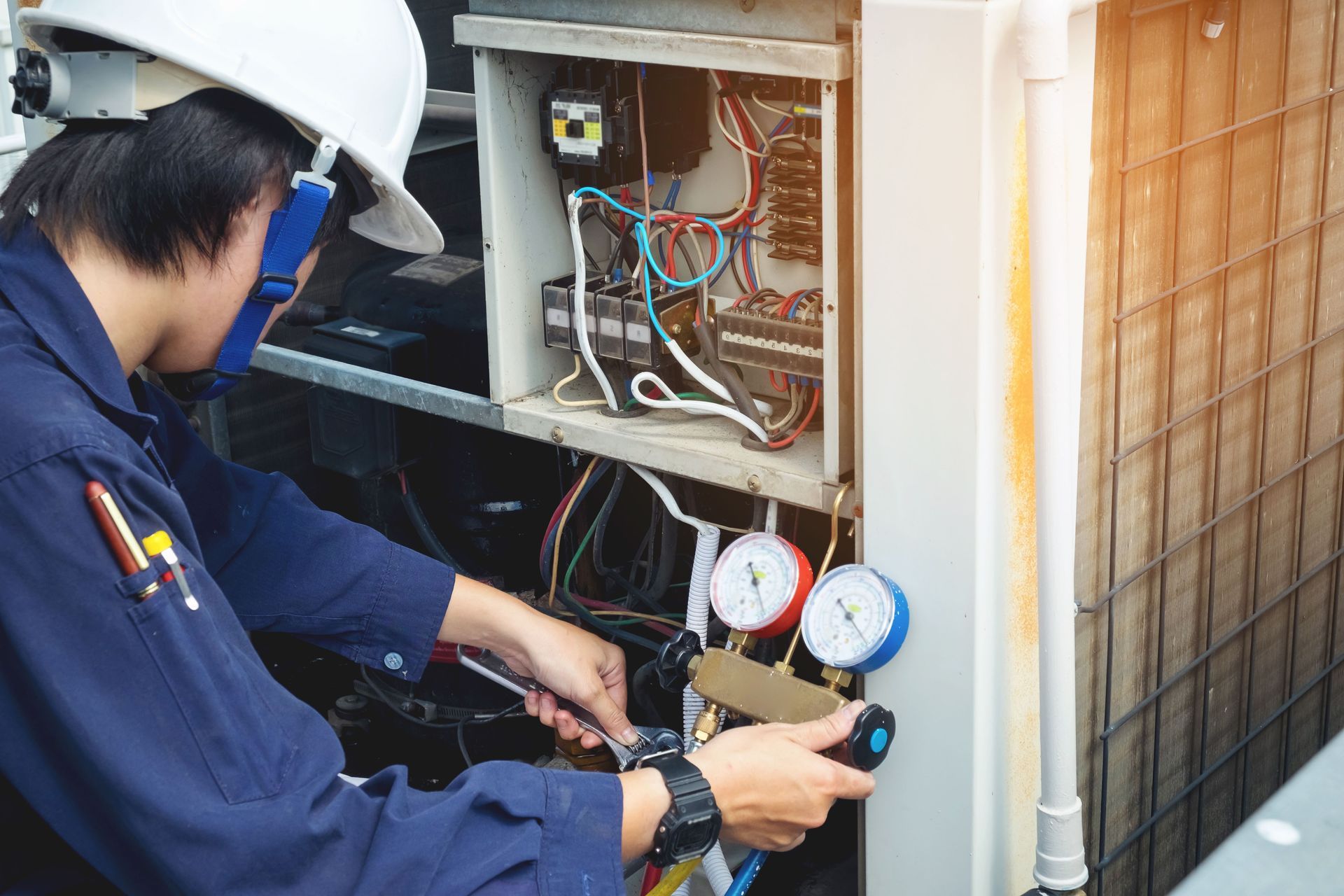
Local HVAC services can help identify these inefficiencies through equipment inspections and performance testing. Technicians may clean evaporator and condenser coils, replace dirty filters, inspect electrical connections, and check refrigerant levels. These steps help restore normal operating conditions and reduce unnecessary strain on mechanical components.
Ductwork is another important consideration. Leaks in supply ducts can allow conditioned air to escape into unoccupied spaces, forcing heating and cooling equipment to work harder. Sealing these leaks and improving duct insulation can help distribute conditioned air more effectively.
In some cases, upgrading older equipment may provide greater long-term energy savings than continuing to repair an inefficient system. According to Leads 4 Build, retrofit and replacement projects accounted for 62.5% of the U.S. HVAC equipment market in 2024. This demonstrates the significant role equipment upgrades and system improvements play in the heating and cooling industry.
What Preventive Maintenance Services Do Local HVAC Companies Offer?
Preventive maintenance is one of the most effective ways to keep heating and cooling equipment operating reliably. Rather than waiting for something to break, routine service allows technicians to identify developing problems and address them before they cause significant damage.
Most maintenance appointments begin with a general equipment inspection. Technicians examine important mechanical and electrical components, check system controls, and look for signs of excessive wear. They may also inspect condensate drains, test safety controls, and evaluate the condition of electrical connections.
Cleaning is another important part of preventive maintenance. Dirt and debris can accumulate on coils, blower components, and other internal surfaces, reducing airflow and interfering with heat transfer. Professional cleaning helps maintain system performance while reducing unnecessary operating strain.
Local HVAC services may also offer seasonal maintenance appointments designed to prepare equipment for changing weather conditions. Before summer, technicians can inspect air conditioning systems, check refrigerant performance, and verify that outdoor condenser units are operating properly. Before winter, heating equipment can receive inspections that include burner operation, ignition components, heat exchangers, and safety controls, depending on the system.
How Do Local HVAC Services Handle Emergency Repairs?
HVAC emergencies can create significant disruptions, particularly during extreme weather. Losing air conditioning during a summer heat wave or experiencing a furnace failure during freezing temperatures can quickly become more than an inconvenience.
Many local HVAC services offer emergency repair appointments to help property owners address urgent heating and cooling problems. Depending on the provider, emergency assistance may be available outside regular business hours, including evenings, weekends, and holidays.
When responding to an emergency call, technicians typically begin by gathering information about the equipment and its symptoms. This helps them understand the potential problem and determine what tools or replacement components may be necessary.
Common emergency repairs include replacing failed blower motors, addressing electrical malfunctions, repairing refrigerant leaks, restoring ignition systems, and troubleshooting malfunctioning thermostats. Technicians may also investigate problems involving frozen evaporator coils, clogged condensate drains, or failed capacitors.
Safety is particularly important when dealing with heating equipment. If a homeowner suspects a gas leak, they should leave the building and contact the appropriate emergency authorities or gas utility rather than attempting to troubleshoot the furnace. Similarly, burning electrical odors or visible smoke warrant shutting down the equipment if it is safe to do so and seeking professional assistance.
Not every HVAC company provides around-the-clock emergency service, so property owners should confirm availability, response expectations, and potential after-hours charges before an emergency occurs.
Having an established relationship with a reliable contractor can make unexpected equipment failures easier to manage.
How Do You Choose the Right Local HVAC Service Provider?
Choosing an HVAC contractor involves more than finding the lowest estimate. Heating and cooling equipment is a significant investment, and the quality of installation, maintenance, and repairs can influence its performance for years.
Start by checking the contractor's licensing and insurance. Requirements vary by location, but qualified providers should understand applicable regulations and maintain the credentials necessary to perform their work. Insurance coverage also helps protect property owners if an accident occurs during a service appointment.
Experience is another important consideration. HVAC systems vary considerably in their designs, operating requirements, and repair procedures. Look for technicians familiar with the specific type of equipment installed in your property, whether it involves a conventional furnace, central air conditioner, heat pump, or ductless mini-split system.
Customer reviews can provide additional insight into a company's reliability and professionalism. Pay attention to comments about communication, punctuality, repair quality, and how the business handles customer concerns. Consistent positive feedback can be encouraging, while repeated complaints about similar problems deserve consideration.
It is also worthwhile to request written estimates before authorizing significant repairs or equipment replacements. A reputable contractor should explain the problem, outline recommended solutions, and provide a reasonable breakdown of expected costs.
Working with experienced
local HVAC services allows homeowners and business owners to address these concerns before they develop into more expensive repairs.
Choosing a qualified contractor is equally important. By evaluating credentials, experience, customer feedback, and service availability, property owners can establish a relationship with a dependable HVAC provider. If you need HVAC services, reach out to Quality Complete Home Services Inc today!