April 13, 2026
Maintaining a functional cooling system is a vital aspect of home ownership that directly impacts daily comfort and financial stability. Understanding the mechanics of climate control allows residents to make informed decisions when equipment begins to falter. Knowledge regarding these complex systems provides the foundational security required to manage a home cooling environment effectively and efficiently.
Identifying Common System Red Flags
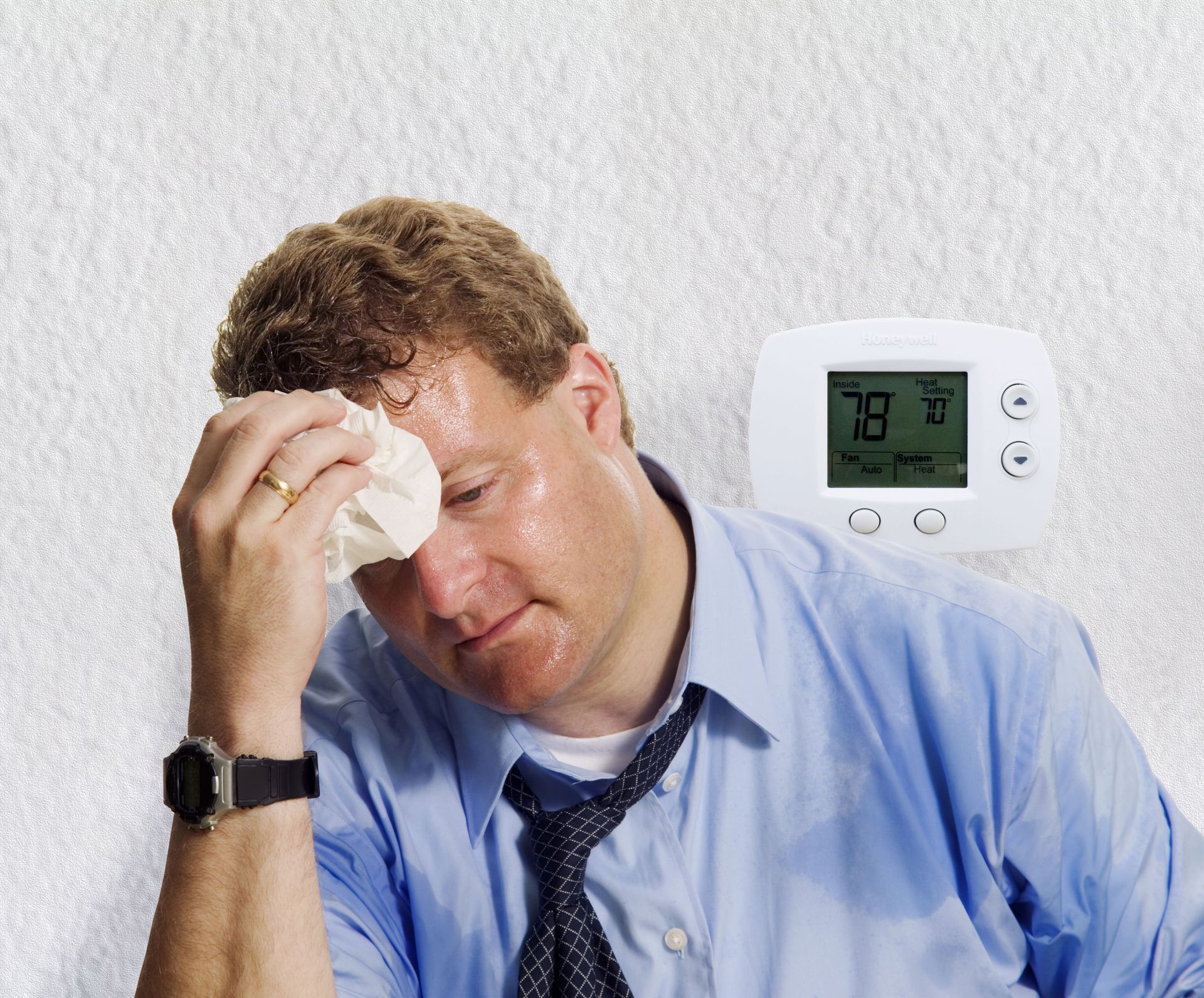
Recognizing the early warning signs of mechanical distress can prevent a minor glitch from evolving into a total system failure. These subtle indicators often serve as an early warning system for attentive residents. When a unit begins to blow warm air or struggles to reach the set temperature, it often indicates a refrigerant leak or a compromised compressor. Homeowners should stay vigilant regarding these subtle shifts in performance to avoid prolonged discomfort during peak summer months.
Audible cues frequently serve as the first line of defense in diagnosing internal issues. Grinding, squealing, or banging noises emanating from the outdoor condenser or the indoor air handler suggest that internal components have become loose or worn. Modern mechanical systems are designed to operate relatively quietly, so any departure from this baseline is cause for concern. Ignoring these sounds can lead to catastrophic damage, making professional AC repair a necessary step to preserve the structural integrity of the entire cooling unit.
Odors are another significant indicator that the system requires expert attention. A pungent, burning smell might suggest electrical issues or overheating wires, while a musty scent often points toward biological growth within the ductwork or on the evaporator coils. Addressing these sensory warnings promptly helps maintain a healthy indoor environment and prevents the circulation of harmful particulates throughout the living space. These olfactory changes usually mean that a specific part is failing or that the air quality is being compromised.
Understanding the Role of Efficiency
Energy consumption is a primary concern for modern households looking to balance comfort with utility costs. A system that operates at peak efficiency uses less power to achieve the desired temperature, which reduces the strain on internal hardware. Optimizing this balance is a primary goal for any technician looking to improve home comfort. According to the Department of Energy, more than 2,000 kilowatt-hours of electricity annually is typically used to cool the average home.
When efficiency begins to wane, the unit must work longer cycles to move heat out of the house. This increased workload accelerates the wear and tear on motors and fans, leading to a higher frequency of AC repair needs over time. Monitoring monthly utility bills for unexplained spikes is a practical way to track whether the mechanical efficiency of the unit is beginning to decline. Maintaining a steady consumption pattern is key to budget management.
Seasonal transitions provide the perfect opportunity to evaluate how well a system performs under varying thermal loads. An efficient unit should maintain consistent humidity levels and even temperatures across every room in the house. If certain areas remain stagnant or humid, it signifies that the cooling cycle is no longer optimized for the specific square footage of the property. Checking the performance of the thermostat during these times helps confirm that the programming remains accurate for your needs.
Prioritizing Regular Professional Inspections
Scheduling annual checkups with a qualified technician is the most effective strategy for extending the lifespan of a cooling system. These experts possess the specialized tools and diagnostic software required to measure airflow, check electrical connections, and calibrate thermostats accurately. Comprehensive inspections catch small cracks or frayed wires before they cause a complete shutdown of the machinery. These preventative measures are far less costly than reactive measures taken after a total system crash.
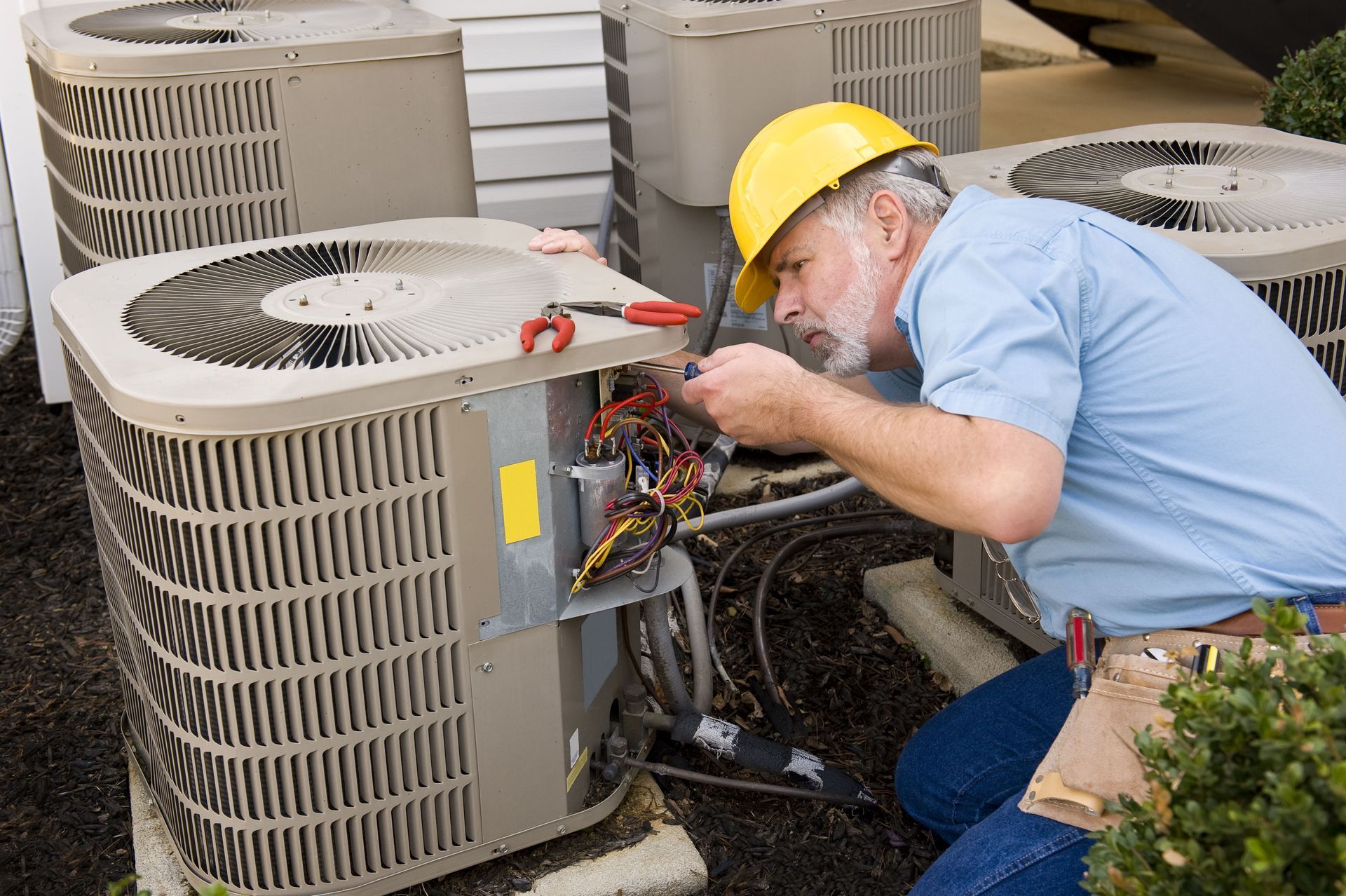
During a standard service visit, a technician will clean the sensitive coils and clear the condensate drain lines to prevent water damage. These tasks require a high level of precision and technical knowledge to avoid damaging the fragile aluminum fins or the complex sensory array. Relying on professional AC repair services for these technical adjustments keeps the manufacturer's warranty valid and provides peace of mind. Consistent upkeep prevents the sudden loss of cooling when the weather is at its most extreme.
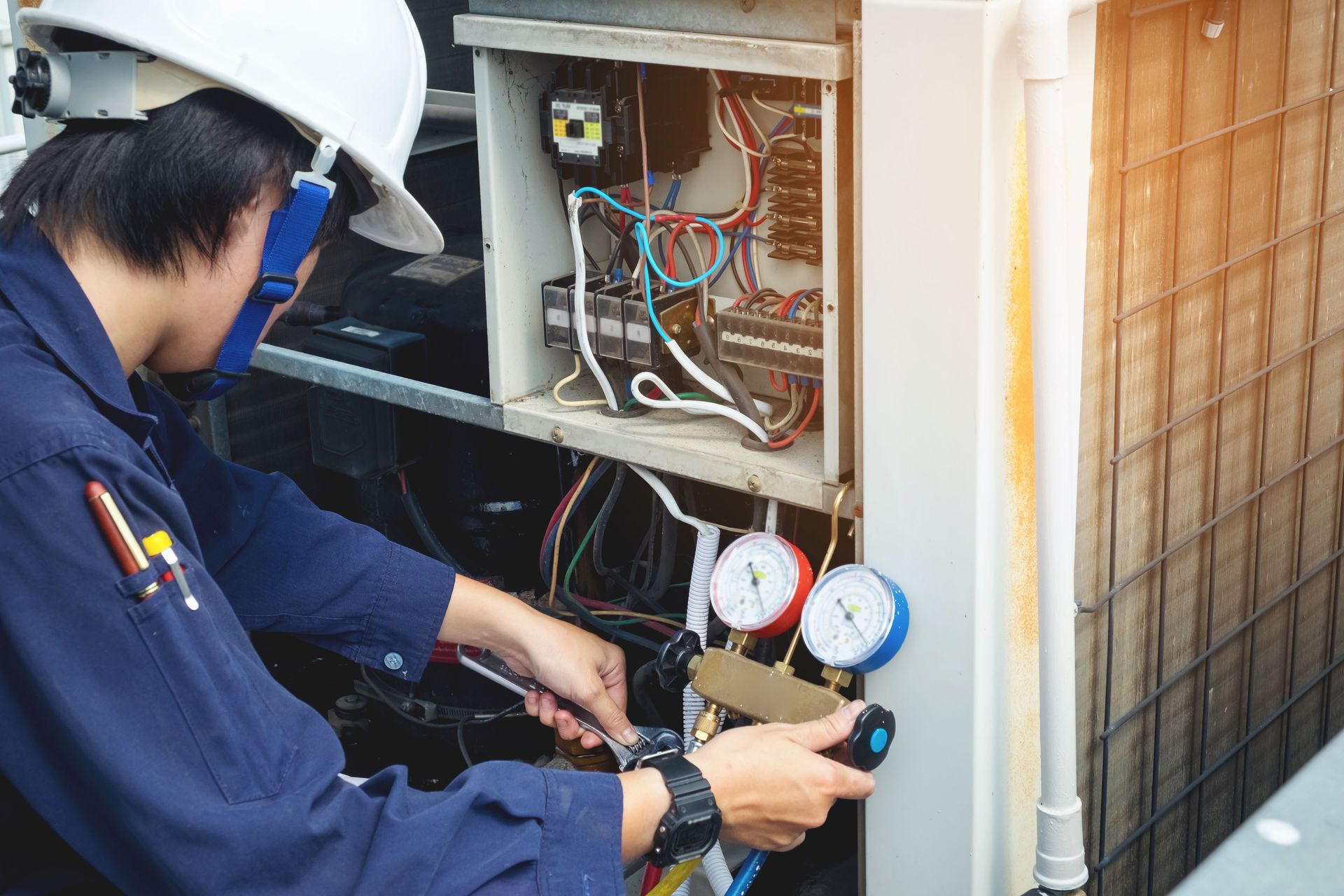
Professional oversight also includes the verification of refrigerant levels, which must remain within a specific range for the heat exchange process to function. Technicians use pressurized gauges to confirm that the system is sealed and operating safely. This verification process is a critical part of maintaining the legal and environmental standards required for modern refrigerants. This proactive approach minimizes the risk of emergency breakdowns during heatwaves when service providers are often at their highest demand.
Evaluating the Impact of Airflow
Proper air circulation is the lifeblood of any HVAC system and is essential for maintaining a balanced pressure environment. Obstructions in the ductwork or heavily soiled filters can restrict the air volume passing over the evaporator coils, causing them to freeze over. Once ice forms on the internal components, the system can no longer absorb heat, necessitating an immediate AC repair call.
External factors around the outdoor condenser unit also play a significant role in how well the system breathes. Maintaining a clear perimeter allows for unobstructed heat transfer between the equipment and the surrounding air. Overgrown vegetation, debris, or fences placed too close to the unit can trap heat and force the fan to work against high static pressure. Keeping the area around the equipment clear allows for the rapid dissipation of heat into the outside atmosphere, which protects the compressor from overheating.
The condition of the interior vents and registers should be checked periodically to confirm they are open and unobstructed by furniture or drapery. Closed vents do not save energy; instead, they create pressure imbalances that can cause leaks in the ductwork or damage the blower motor. Maintaining clear pathways for air provides the certainty that every component of the system functions as the original engineers intended.
Determining When to Replace Components
There comes a point in the lifecycle of every cooling unit where a major component failure requires a difficult decision. If a system is over a decade old and experiences a failure in the compressor or the evaporator coil, the cost of the parts might approach the value of a new installation. Experts can provide a cost-benefit analysis to help homeowners decide if AC repair is the most logical financial path.
Advancements in cooling technology mean that newer units often offer significantly better seasonal energy efficiency ratios than older models. Modern units are engineered to provide superior performance while using significantly less electricity. While fixing an old unit might solve the immediate problem, it does not address the underlying obsolescence of the technology. Homeowners must weigh the recurring costs of fixing an aging machine against the long-term savings provided by a more modern and reliable alternative.
Frequent breakdowns are a sign that the system has reached the end of its reliable service life. If a household requires AC repair multiple times in a single season, it indicates a systemic failure that simple part replacements can no longer remedy. Investing in a new system at the right time prevents the frustration of repeated outages and confirms the home remains a sanctuary against the heat.
The complexities of modern cooling systems require a dedicated approach to maintenance and professional oversight. By staying informed about mechanical warning signs and prioritizing system efficiency, homeowners can protect their investment and enjoy a temperate indoor climate. Entrusting these technical tasks to qualified AC repair experts remains the best way to achieve long-term reliability. For expert assistance in maintaining a perfectly cooled environment, contact the professionals at Quality Complete Home Services Inc to schedule your comprehensive system evaluation today.