March 10, 2026
Heating efficiency plays a central role in how comfortable, affordable, and sustainable your home truly is. When temperatures drop, you rely on your heating system not just for warmth, but for consistent performance that doesn’t strain your budget. In an era where energy conservation and rising utility costs are constant concerns, understanding heating efficiency can empower you to make informed decisions that improve your home’s performance and long-term value. Partnering with a trusted provider for regular HVAC service is one of the most effective ways to ensure your system operates at its highest potential year after year.
Below explores what heating efficiency means, the different types of heating systems available, the factors that influence performance, and practical strategies to enhance efficiency. By taking a closer look at how your system operates and how your home retains heat, you can create a more comfortable living environment while contributing to a more sustainable future. Consistent HVAC service also plays a foundational role in protecting your investment and preventing avoidable energy waste.
What Is Heating Efficiency?
Heating efficiency refers to how effectively a heating system converts energy into usable heat with minimal waste. It is typically expressed as a percentage that reflects how much of the energy input, whether gas, oil, or electricity, is transformed into warmth for your home. The higher the percentage, the less energy is wasted during the heating process.
For example, from our experience, a system with a 95% efficiency rating converts 95% of its fuel into heat, with only 5% lost through exhaust or other inefficiencies. In contrast, an older system with a 70% rating wastes significantly more energy. Understanding this concept is essential when evaluating your current system or considering an upgrade. Higher efficiency means better performance, lower energy consumption, and reduced environmental impact. Routine HVAC service ensures that your system continues performing close to its original efficiency rating rather than declining prematurely.
Types of Heating Systems
Homes rely on several common heating systems, each with unique characteristics and efficiency levels. The most prevalent include furnaces, boilers, heat pumps, and radiant heating systems.
Furnaces are among the most common systems and typically operate using natural gas, oil, or electricity. They heat air and distribute it through ductwork. Boilers, on the other hand, heat water and distribute steam or hot water through radiators or baseboards. Both systems are measured using Annual Fuel Utilization Efficiency (AFUE) ratings.
Heat pumps function differently. Instead of generating heat, they transfer heat from the outside air or ground into your home. Because they move heat rather than create it, they can be exceptionally efficient, especially in moderate climates. Modern heat pumps can dramatically reduce electricity usage compared to traditional electric resistance heating.
Radiant heating systems, installed beneath floors or within walls, provide consistent and even warmth. While installation costs can be higher, their efficiency and comfort benefits make them attractive options in certain homes. Regardless of the system type, professional HVAC service helps ensure proper installation, calibration, and long-term performance.
Factors That Affect Heating Efficiency
Several variables influence how efficiently your heating system performs. One of the most significant is age. Older systems often lack the technological advancements that allow modern equipment to operate more efficiently. Over time, wear and tear also reduce performance.
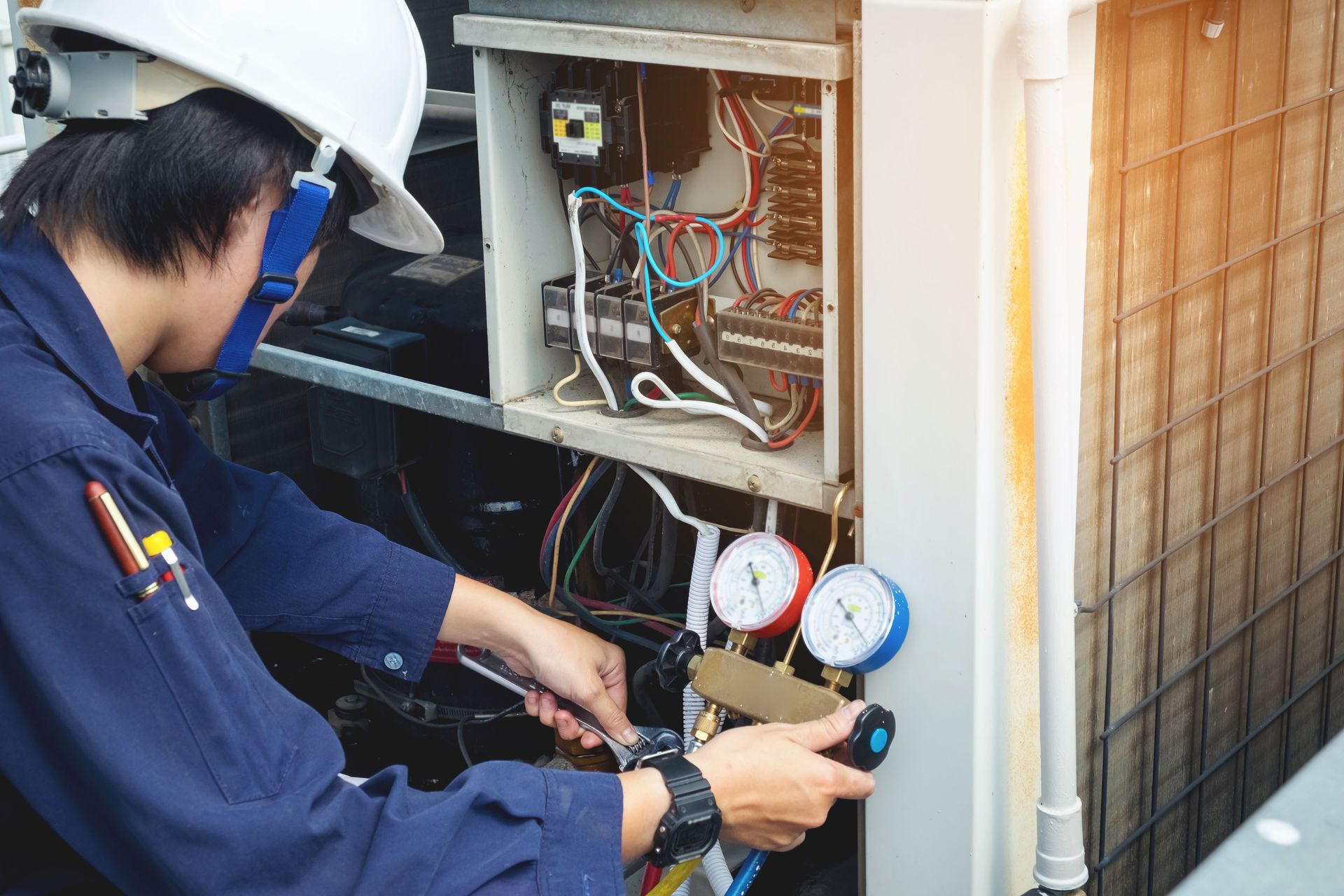
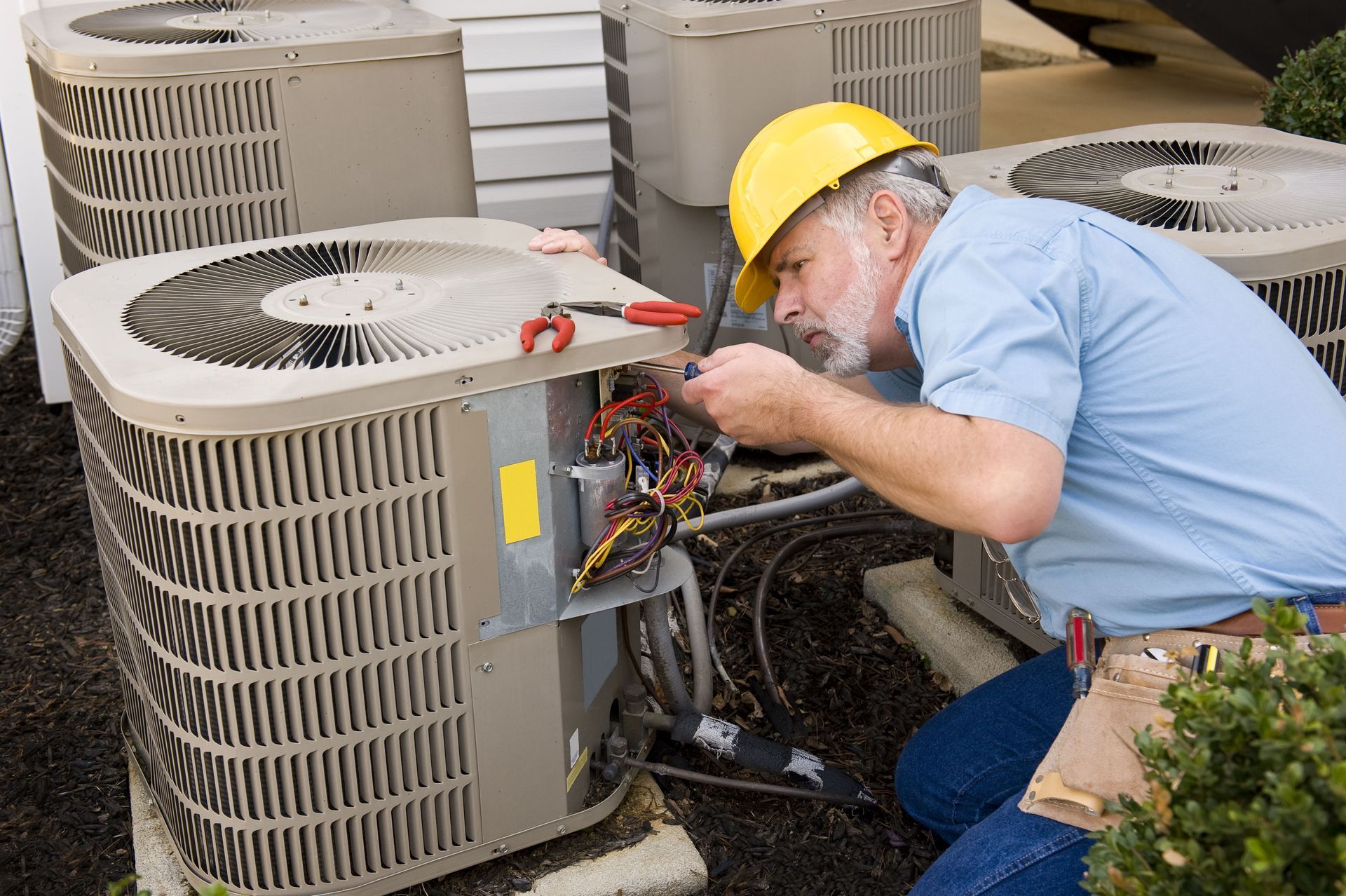
Maintenance is another critical factor. Even high-efficiency systems can lose effectiveness if they are not properly maintained. Dirty filters, clogged ducts, and neglected components force systems to work harder, increasing energy consumption and shortening equipment lifespan. Scheduling routine HVAC service appointments can catch these issues early and restore optimal airflow and function.
Home insulation plays a vital role as well. Poorly insulated walls, attics, and floors allow heat to escape, making your heating system run longer and more frequently. Air leaks around windows and doors can further compromise efficiency. Addressing these issues reduces strain on your heating system and improves overall comfort.
Understanding Energy Efficiency Ratings
Energy efficiency ratings provide a standardized way to compare heating systems. For furnaces and boilers, the Annual Fuel Utilization Efficiency (AFUE) rating indicates the percentage of fuel converted into usable heat over a typical year. A higher AFUE means greater efficiency.
For heat pumps, the Heating Seasonal Performance Factor (HSPF) measures efficiency across an entire heating season. This rating reflects how effectively the system performs under varying outdoor temperatures. According to This Old House, heat pumps can reduce heating electricity use by up to 75%.
These metrics help homeowners make informed purchasing decisions. While higher-rated systems may cost more initially, their long-term savings and performance benefits often justify the investment. Combining a high-efficiency system with ongoing HVAC service ensures that the equipment consistently operates according to its rated standards.
Financial Benefits of High-Efficiency Systems
One of the most compelling reasons to prioritize heating efficiency is cost savings. Efficient systems use less fuel or electricity to maintain comfortable indoor temperatures, which directly lowers monthly utility bills. Over time, these savings can be substantial.
Reduced energy consumption also provides a buffer against rising fuel costs. As energy prices fluctuate, homeowners with efficient systems are better protected from sudden increases in expenses.
Additionally, efficient systems tend to experience less wear and tear. Because they operate more effectively, components endure less strain, which can reduce repair frequency and prolong system lifespan. Preventive HVAC service further supports this benefit by identifying small concerns before they develop into expensive breakdowns.
Balancing Initial Investment and Long-Term Savings
High-efficiency heating systems typically require a larger upfront investment. The cost includes both equipment and professional installation. However, it is important to view this expense through a long-term lens.
Lower energy bills gradually offset the initial cost. In many cases, homeowners recoup their investment within several years, particularly if they replace an outdated, inefficient unit. Incentives such as tax credits or rebates for energy-efficient upgrades may further reduce the financial burden.
When evaluating whether to upgrade, consider not only the purchase price but also the projected operational savings over the system’s lifetime. The combination of efficiency gains, reduced maintenance expenses, and consistent HVAC service makes modern systems a financially sound choice for many households.
Maintenance Costs and Reliability
While no heating system is maintenance-free, high-efficiency models are often designed with improved durability and advanced diagnostics. This can simplify servicing and reduce unexpected breakdowns.
Regular maintenance remains essential. Annual inspections, filter replacements, and cleaning ensure that your system continues operating at peak efficiency. Preventive care not only protects your investment but also preserves manufacturer warranties.
Compared to older systems that may require frequent repairs, newer efficient models often deliver greater reliability and predictable operating costs. Establishing a consistent HVAC service schedule adds another layer of protection, keeping components clean, calibrated, and functioning safely.
The Importance of Routine Maintenance
Routine maintenance is a cornerstone of sustained heating efficiency. Simple steps such as replacing air filters regularly, clearing vents, and scheduling professional tune-ups can make a substantial difference in performance.
Technicians can identify minor issues before they develop into major problems, ensuring optimal operation throughout the heating season. Consistent care helps maintain efficiency ratings and prevents unexpected breakdowns during cold weather.
Heating efficiency extends far beyond lowering utility bills. It influences home value, environmental responsibility, long-term reliability, and everyday comfort. By understanding how systems convert energy into heat and recognizing the factors that affect performance, homeowners can make informed decisions that deliver lasting benefits.
Whether through upgrading to a high-efficiency unit, enhancing insulation, adopting smart technology, or committing to routine HVAC service, improving heating efficiency is a proactive step toward a more sustainable and comfortable home. As energy demands continue to evolve, efficient heating systems will remain essential in shaping responsible, cost-effective living for years to come. For quality heating maintenance and repairs, reach out to Quality Complete Home Services Inc today!